By We Can Help Network
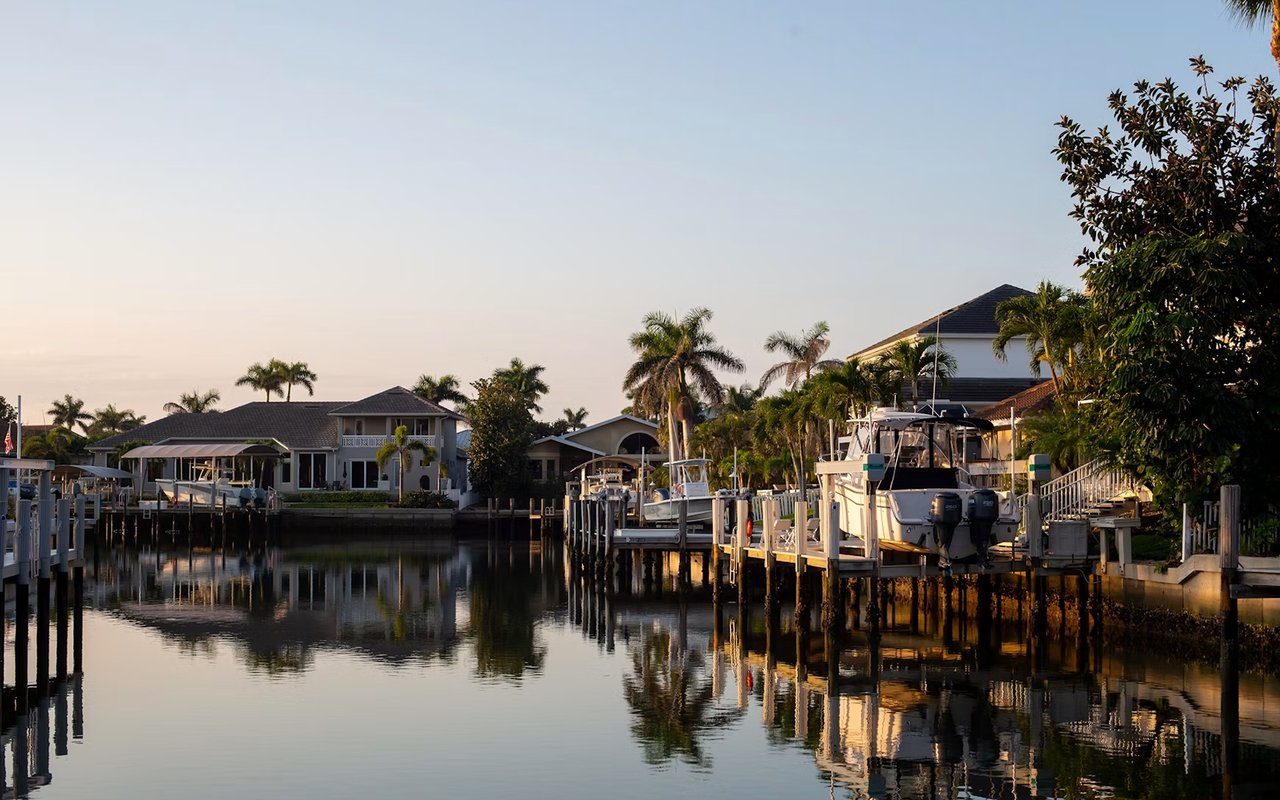
Relocating to Fort Lauderdale, FL, is one of the most compelling real estate decisions a high-end buyer can make in today's market, and one that deserves more preparation than most people give it. Fort Lauderdale sits between Miami and Palm Beach on Florida's Gold Coast, offering a distinct lifestyle built around 165 miles of inland waterways, a walkable corridor along Las Olas Boulevard, and a boating culture that draws buyers from New York, California, and international markets year after year. Getting the move right means understanding the neighborhoods, the tax environment, the insurance landscape, and what separates Fort Lauderdale from every other South Florida address.
Key Takeaways
- Florida's no state income tax advantage is a significant financial draw for high-net-worth buyers relocating from high-tax states
- Fort Lauderdale's neighborhoods vary dramatically, and choosing the right one depends on whether your priority is waterfront access, proximity to Las Olas, or a quieter residential setting
- Hurricane insurance and flood zone designation are non-negotiable considerations in the buying process, particularly for waterfront and coastal properties
- Fort Lauderdale offers a more private, less dense lifestyle than Miami while maintaining strong amenities, airport access, and a growing dining and arts scene
Understand the Tax and Financial Landscape First
For buyers relocating to Fort Lauderdale from states like New York, California, Illinois, or Connecticut, the Florida tax environment is one of the most immediate financial advantages. Florida has no state income tax, which for high earners represents a substantial shift in annual take-home income. To establish Florida residency and benefit from this, buyers typically need to spend more than 183 days per year in the state and take formal steps to sever residency ties with their prior state.
Financial Considerations for High-End Relocating Buyers
- No Florida state income tax is one of the most significant financial draws for buyers moving from high-tax states
- Broward County property taxes are assessed at approximately 1.2% of the home's assessed value; the Homestead Exemption reduces assessed value for primary residences and caps annual assessment increases
- Insurance costs for coastal and waterfront properties in Fort Lauderdale carry elevated wind, flood, and hurricane insurance premiums
- Gated communities like Harbor Beach carry HOA structures with associated fees
Know the Neighborhoods Before You Narrow Your Search
Fort Lauderdale's residential landscape is varied, and the lifestyle difference between neighborhoods can be significant even within a short drive. Buyers relocating to Fort Lauderdale often arrive with a broad sense of the city but limited awareness of how distinct each area actually is.
How Fort Lauderdale's Key Luxury Neighborhoods Compare
- Las Olas Isles: The city's most prestigious canal addresses, with deep-water dockage, no fixed bridges, and proximity to Las Olas Boulevard
- Rio Vista: South of downtown along the New River, with Intracoastal access, diverse architectural styles, and a quieter residential feel
- Harbor Beach: Gated community near Fort Lauderdale Beach with wide canals capable of handling large yachts and private deeded beach access
- Coral Ridge: North of Las Olas with waterfront estates, golf course proximity, and a more suburban residential feel
- Victoria Park: Just north of downtown, with a mix of historic and contemporary homes and easy access to the Riverwalk and Las Olas
Budget Accurately for Insurance Before You Fall in Love With a Listing
One of the most important factors of relocating to Fort Lauderdale is to get insurance estimates early, before you're emotionally committed to a property. South Florida's coastal insurance environment is a hard market, meaning fewer carriers compete for policies and premiums reflect elevated risk exposure from wind, flood, and hurricane potential. The Atlantic hurricane season runs June through November, and properties east of I-95, particularly waterfront homes and those in FEMA-designated flood zones, carry meaningfully higher insurance costs than buyers accustomed to mainland markets typically anticipate.
What to Confirm on the Insurance Front Before Making an Offer
- Request the current flood zone designation for any property under consideration; properties in AE or VE flood zones require separate flood insurance on top of homeowners and wind coverage
- Ask for the elevation certificate, as a higher base flood elevation relative to the surrounding flood zone translates directly into lower flood insurance premiums
- Get wind mitigation inspection results from the seller if available
- Work with a South Florida insurance specialist, not a general national broker, to get accurate quotes before making a final decision on a property
Get Oriented Before You Commit to a Location
Fort Lauderdale is more geographically compact than buyers from larger metros sometimes expect, but the lifestyle difference between the east side and west side, or between the Las Olas corridor and the barrier island, is real and worth experiencing firsthand. Spend time in each area you're considering during the evenings, mornings, and weekday hours to understand the pace, the commute, and the day-to-day access to the things that matter to you.
What to Explore During Your Search Before Committing
- Las Olas Boulevard for dining, galleries, and the retail corridor that anchors the east side of the city
- The Riverwalk along the New River, which connects downtown Fort Lauderdale's arts venues and restaurants in a waterfront setting
- Fort Lauderdale Beach and the A1A corridor to understand the barrier island lifestyle relative to the canal neighborhoods
- Fort Lauderdale-Hollywood International Airport, which serves as a practical daily consideration for buyers who travel frequently
FAQs
How does Fort Lauderdale compare to Miami for luxury buyers relocating to South Florida?
Fort Lauderdale offers a more private, less dense alternative to Miami while maintaining strong amenities, direct beach access, and a waterfront lifestyle. The boating culture here is arguably stronger, the luxury neighborhoods are more residential in character, and the price points tend to run below comparable Miami addresses. For buyers who want South Florida without Miami's pace and density, Fort Lauderdale is consistently the stronger fit.
How long does it typically take to establish Florida residency for tax purposes?
The formal process involves spending more than 183 days per year in Florida, obtaining a Florida driver's license and vehicle registration, filing a Declaration of Domicile with the county clerk, and taking documented steps to sever residency ties with the prior state.
Is it better to rent in Fort Lauderdale before buying?
For buyers relocating from out of state who haven't spent significant time in Fort Lauderdale, a short-term rental period in the neighborhoods you're considering can be valuable. Living near Las Olas Isles versus Rio Vista delivers a meaningfully different daily experience, and confirming that before committing to a purchase at these price points is often time and money well spent.
Contact We Can Help Network Today
At We Can Help Network, we specialize in guiding high-end buyers through every stage of relocating to Fort Lauderdale, FL, from understanding the neighborhoods and the insurance landscape to finding the right property in a market that rewards local knowledge. Whether you're searching for a deepwater canal estate, a gated beachside community, or a residence along the Las Olas corridor, we're here to make the transition as clear and confident as possible.
Reach out to us at We Can Help Network and let's start building your Fort Lauderdale search the right way.
Reach out to us at We Can Help Network and let's start building your Fort Lauderdale search the right way.