By We Can Help Network
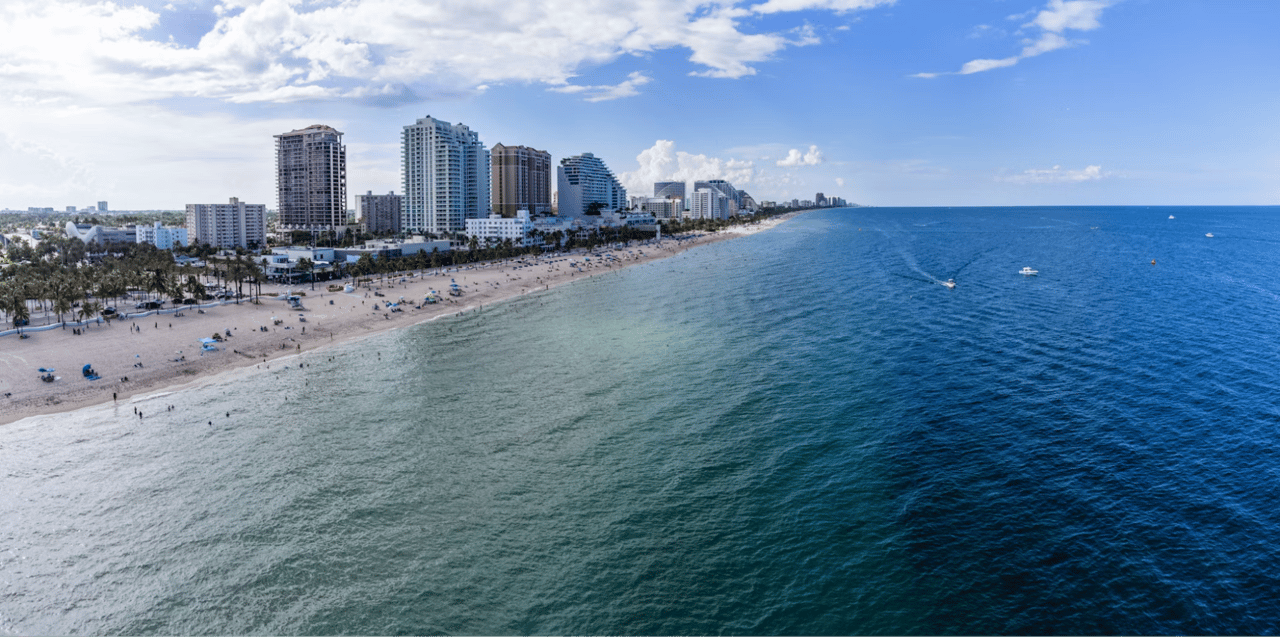
Fort Lauderdale's waterfront real estate is unlike almost anything else in the country. With more than 150 miles of inland waterways weaving through the city, the "Venice of America" offers a range of waterfront living options that span oceanfront high-rises, deep-water estate properties, fixed-bridge canal homes, and everything in between. If you're planning to buy here, knowing the difference between these property types — and understanding what to look for before you commit — can save you from expensive surprises down the road.
This market rewards buyers who do their homework. Fort Lauderdale’s waterfront homes vary dramatically in price, livability, and long-term value, depending on factors that aren't always obvious at first glance, including water depth, bridge clearance, seawall condition, and flood insurance requirements. The cosmetic features are easy to fall in love with; the structural and logistical details are where informed buyers protect themselves.
Whether you're drawn to a villa along Las Olas Isles, a contemporary estate on the Intracoastal, or a boater's dream on a wide deep-water canal, this guide covers the key considerations that should shape your search.
Key Takeaways
- Water access details, including depth, bridge clearance, and dock condition, matter as much as the home itself for boaters and water enthusiasts.
- Flood insurance costs and seawall replacement expenses can significantly affect your true cost of ownership.
- Fort Lauderdale's waterfront submarkets each have distinct character, price points, and buyer profiles worth understanding before you narrow down your search.
- A professional marine survey and a waterfront-specific home inspection are essential steps before closing on any Fort Lauderdale waterfront property.
Water Access: The Detail That Changes Everything
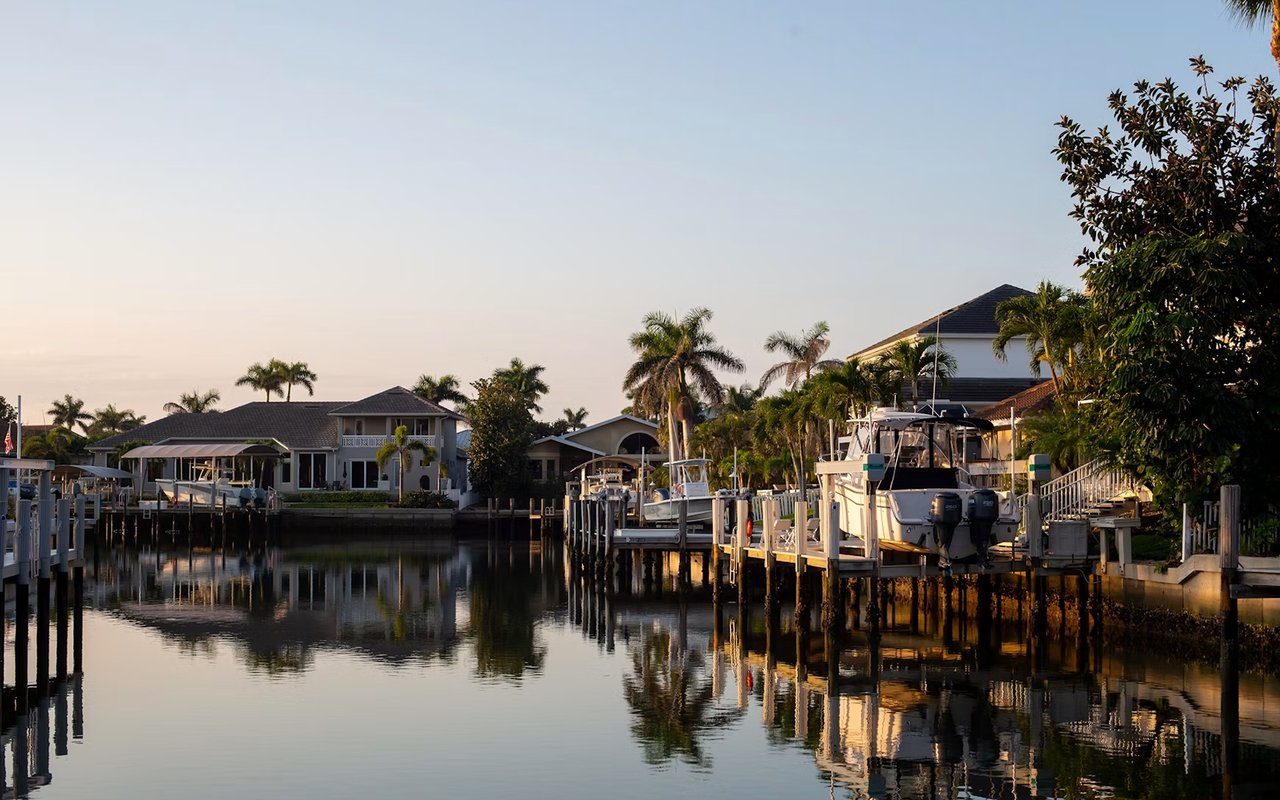
For buyers who plan to keep a boat, the water access specifications of a property are just as important as the square footage of the home. Fort Lauderdale's canal system spans a wide spectrum, from ocean-access deep-water lots to interior canals with fixed bridges. Before falling in love with any property, get specific answers about water depth at the dock, fixed versus drawbridge clearance, and whether the canal connects directly to the Intracoastal Waterway or the Atlantic Ocean.
Deep-water lots, generally defined as those with six feet or more of depth at low tide, command a premium because they can accommodate larger vessels without concern for groundings or tidal complications. Properties on the Intracoastal itself tend to carry the highest price points in the waterfront market for exactly this reason. Interior canal properties can still be exceptional for smaller vessels or for buyers who aren't primarily focused on boating, but it's important to know what you're getting upfront.
Bridge height is another consideration that's easy to overlook during a showing but becomes very real once you're living there. Fixed bridges in Fort Lauderdale typically max out around 21 to 25 feet of clearance, which limits the boats that can pass through. If you own, or plan to own, a sport yacht or sailboat, this can narrow down your property search.
Questions to Ask About Water Access
- What is the water depth at mean low tide, and has it been officially surveyed?
- Does the canal or waterway connect directly to the Intracoastal or ocean, and are there any fixed bridges along the route?
- What is the height clearance at the nearest bridge?
- Is there an existing dock or boat lift, and if so, what is its condition and weight capacity?
- Are there any deed restrictions on vessel size or type?
Seawalls, Docks, and Marine Infrastructure
A waterfront property in Fort Lauderdale is only as sound as the infrastructure holding it to the water. Seawalls, docks, davits, and boat lifts are expensive to repair or replace, and they're not always included in standard home inspections. Making sure that each of these components is evaluated before closing is one of the most important due diligence steps in any waterfront purchase.
An aging seawall that's beginning to fail won't always be visible to the naked eye, so hiring a marine contractor or structural engineer to assess its condition is money well spent. Look for signs of cracking, separation, or soil erosion behind the wall, which can indicate movement or compromised integrity.
Docks and lifts should also be inspected for structural soundness, electrical compliance, and overall condition. Wooden dock pilings are susceptible to marine borer damage and decay over time, while aluminum and composite structures tend to hold up longer in South Florida's saltwater environment. If the existing dock doesn't accommodate your vessel, factor the cost of modifications or a full rebuild into your offer.
What a Marine Inspection Should Cover
- Seawall condition, including signs of movement, cracking, or erosion behind the cap.
- Dock structure, pilings, and decking material condition.
- Boat lift or davit function, electrical connections, and weight rating.
- Water depth at the dock measured at mean low tide.
- Any permits or code violations associated with the dock or seawall.
FAQs
What Is the Difference Between a Deep-Water Canal Home and an Interior Canal Home in Fort Lauderdale?
A deep-water canal home offers direct access to the Intracoastal Waterway or ocean without passing under any fixed bridges and typically has enough depth at the dock to accommodate larger vessels. An interior canal home is on a smaller waterway that may have fixed bridges limiting access or shallower water depths that work better for smaller boats or non-boating buyers. Both can be exceptional properties; the distinction mainly matters if your boat size or access needs are specific.
Do I Need a Separate Inspection for the Seawall and Dock?
Yes. A standard home inspection does not typically include a detailed evaluation of marine infrastructure. Hiring a marine contractor or waterfront inspection specialist to assess the seawall, dock, and any boat lift is strongly recommended before you finalize your purchase. Issues that are invisible during a showing can become costly repairs quickly, and identifying them during due diligence gives you negotiating leverage.
Can Non-Boaters Still Enjoy Fort Lauderdale Waterfront Living?
Absolutely. Many buyers prioritize water views, outdoor entertaining space, and the lifestyle associated with waterfront living without owning a vessel. Interior canal homes and properties with direct water views offer that aesthetic at a wider range of price points, and they often carry lower insurance and maintenance overhead than deep-water estates.
Your Fort Lauderdale Waterfront Home Is Waiting
Buying a waterfront home in Fort Lauderdale is one of the most rewarding real estate decisions you can make, and it's also one that benefits enormously from having the right expertise in your corner. The details that matter most in this market, from water depth and bridge clearance to seawall condition and flood zone designation, require a level of local knowledge that goes beyond a standard home search.
Jeremy Willard and Ken Calhoun at We Can Help Network bring extensive expertise in Fort Lauderdale's waterfront market and can guide you through every layer of this process, from identifying the right submarket for your lifestyle to navigating inspections, insurance, and the nuances of waterfront due diligence. This is a market where the right guidance makes a tangible difference, and where having professionals who know it well translates directly into better outcomes.
If you're ready to explore waterfront living in Fort Lauderdale, reach out to us. We're here to help you find the right property, ask the right questions, and make a move you'll feel confident about.