By We Can Help Network
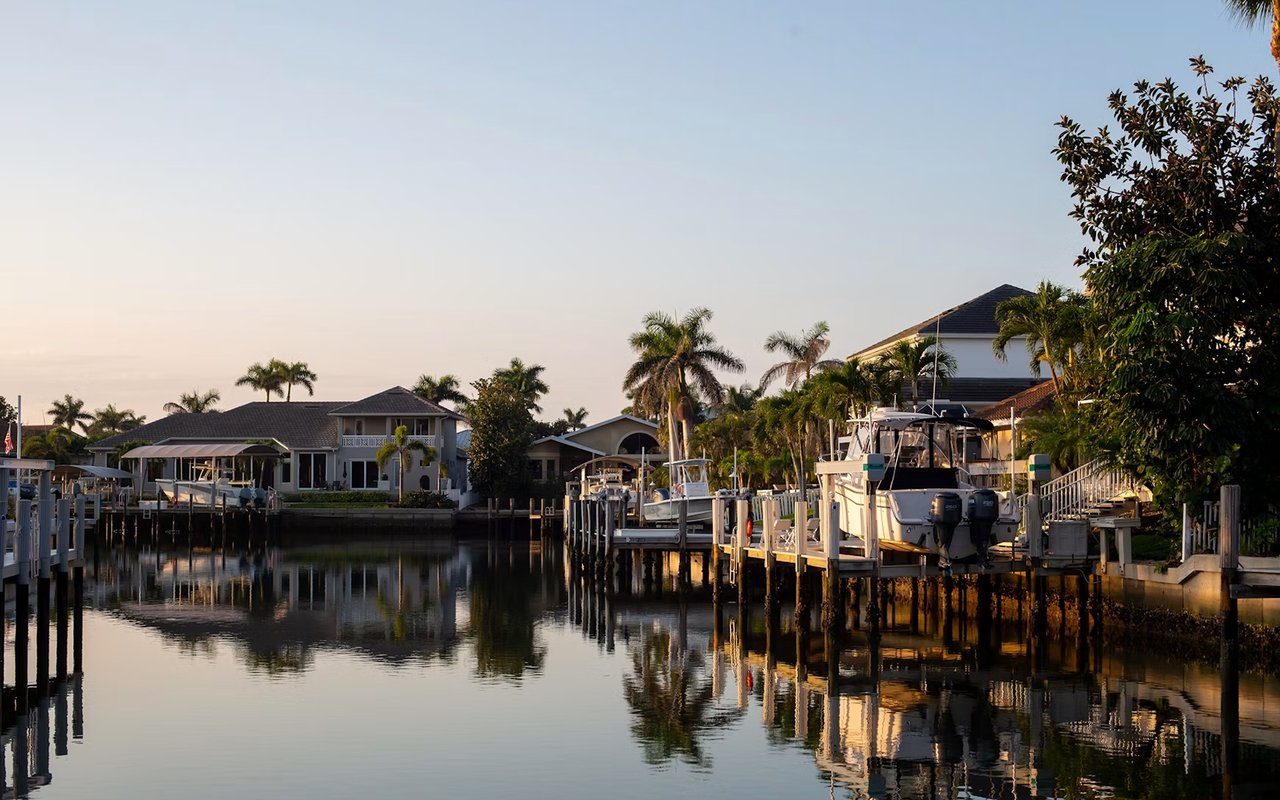
Fort Lauderdale's 300 miles of inland waterways shape how residents move, socialize, and spend their weekends. When you relocate here, the boating lifestyle Fort Lauderdale FL is known for becomes part of daily life almost immediately, whether you own a vessel or simply live near the water.
New residents who understand the culture and rhythms of this aquatic city settle in faster and enjoy it more from the start.
Key Takeaways
- The waterways are infrastructure: Fort Lauderdale's canals and the Intracoastal Waterway function as a genuine secondary road network, used daily for transportation, dining, and socializing.
- A Florida Boating Safety Education ID Card is required for anyone born on or after January 1, 1988, who plans to operate any motorized vessel, including rentals.
- Wake zone rules are strictly enforced: Residential canals under 150 feet wide, marina basins, and marked manatee zones require idle speed. Violations carry real consequences.
- The Fort Lauderdale International Boat Show (FLIBS) is the world's largest in-water boat show, held each October/November across seven waterfront venues.
The Waterways: Understanding the Layout
Fort Lauderdale's waterway system is anchored by the Intracoastal Waterway (ICW), which runs north-south through the city and connects to the Atlantic Ocean. From the ICW, a web of canals branches into residential neighborhoods.
What the Waterways Mean for Daily Life
- Navigation is a practical skill: Channel markers, bridge schedules, and wake boundaries are essential knowledge before heading out. Most Fort Lauderdale ICW bridges open on demand, but during weekday rush hours, openings are restricted.
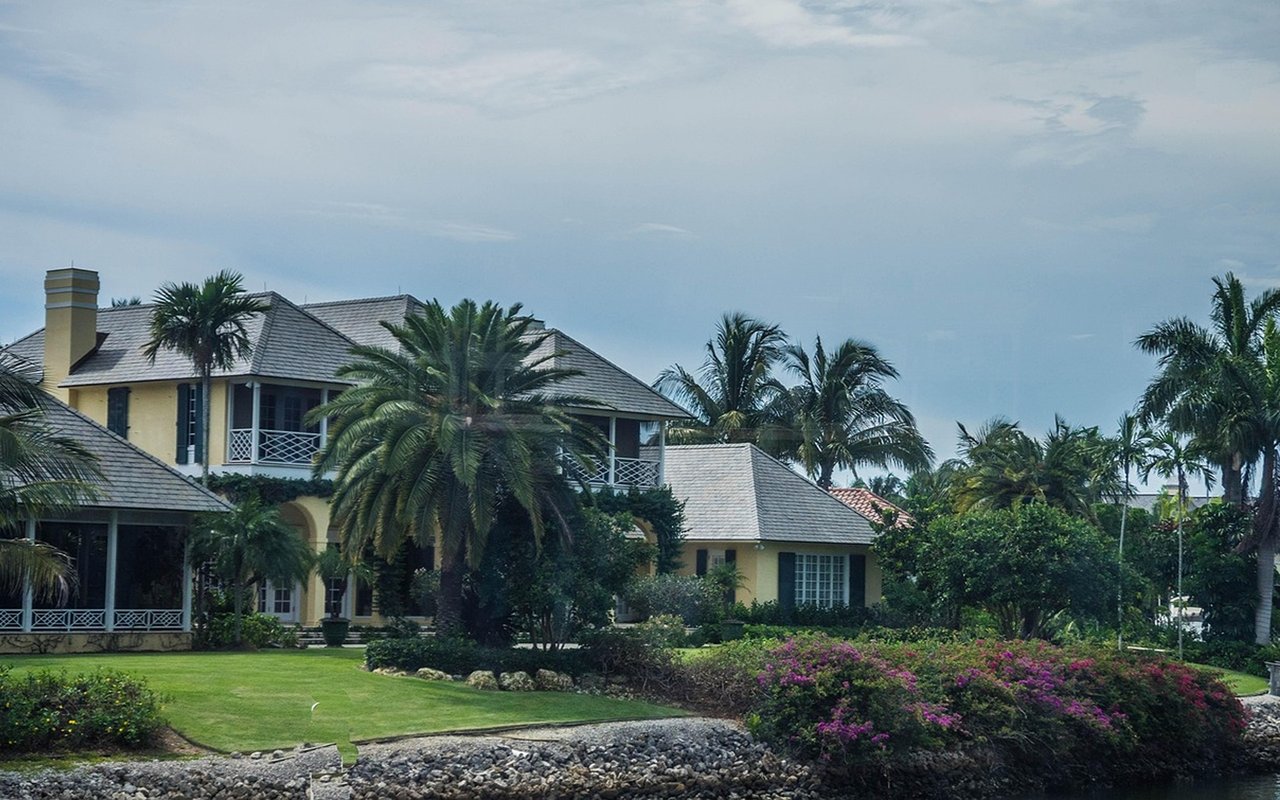
- Neighborhoods vary in waterway character: Las Olas Isles is known for deep-water access and a lively boating scene. The New River corridor offers a more urban experience with downtown dining and arts venues accessible by water. Canal depth, proximity to the ICW, and dock permits all affect how usable any given property's access is.
- Water taxis are a genuine transit option: The Fort Lauderdale Water Taxi connects hotels, restaurants, museums, and entertainment venues along the waterways, offering locals a scenic, traffic-free way to move around on evenings and weekends.
The New River winds through downtown, giving residents a water route into the urban core.
Boating Regulations Every New Resident Should Know
The boating lifestyle Fort Lauderdale FL residents live is welcoming, but the water is a shared resource governed by state and local rules.
The Rules That Matter Most
- Florida Boating Safety Education ID Card: Anyone born on or after January 1, 1988 must hold this card to legally operate any motorized vessel, including rentals. The card requires passing a boating safety course and a 25-question exam.
- Idle-speed and wake zones: Residential canals under 150 feet wide, marina basins, and areas within 100 feet of docks and moored vessels all carry speed restrictions. Las Olas and downtown are strictly enforced idle-speed areas.
- Wildlife protections: State law requires maintaining at least 50 feet of distance from manatees, which are a genuine presence in Fort Lauderdale's waterways. Environmental regulations prohibit discharge of waste into the waterways, and pump-out facilities are available at most major marinas.
Learning them upfront avoids the costly experience of discovering them through enforcement.
The Dock-and-Dine Culture
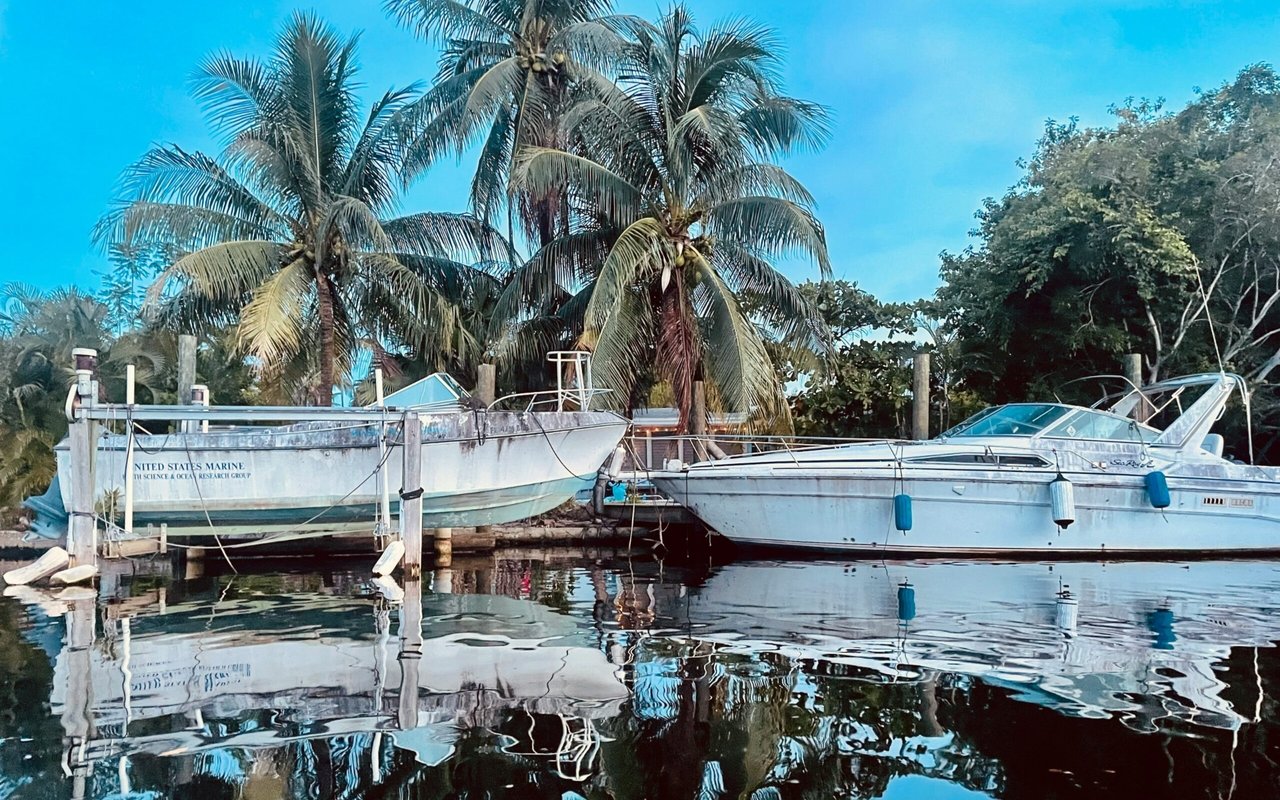
One of the defining pleasures of living here is the ability to dock at a restaurant, enjoy a meal with a view of the water, and cruise back home.
Where Fort Lauderdale Residents Dock and Dine
- 15th Street Fisheries at Lauderdale Marina is a long-established favorite known for fresh seafood, Bahamian-style conch fritters, and tarpon feeding at the dock.
- Shooters Waterfront sits directly on the Intracoastal with live entertainment, a raw bar, and a happy hour that draws boaters throughout the week. Midweek visits offer a more relaxed pace than weekends.
- Coconuts offers easy docking access and a consistently relaxed atmosphere, with fresh seafood and a front-row seat to the boat traffic on the ICW.
The dock-and-dine options along the ICW from Pompano Beach to Hollywood are something new residents discover quickly and return to often.
FAQs
Do I need to own a boat to participate in Fort Lauderdale's boating culture?
Ownership is meaningful for many residents, but the waterways are accessible to everyone. Water taxis, boat rentals, charter services, and waterfront dining mean that residents without their own vessel can still move through the city by water, attend FLIBS, and enjoy the dock-and-dine scene.
How does Fort Lauderdale's boating community compare to other Florida cities?
Fort Lauderdale occupies a distinct tier. The concentration of marinas, the depth and accessibility of the waterway network, the yacht industry presence, and events like FLIBS give it a boating identity that operates at a different scale than most Florida cities.
What should we know before buying a waterfront property in Fort Lauderdale?
Waterfront properties vary significantly in what their water access means in practice. Canal depth, bridge clearances, proximity to the ICW, and dock permits all affect usability for the type of boating you want to do. We help buyers evaluate these factors alongside neighborhood character and long-term value.
Contact We Can Help Network Today
Fort Lauderdale's relationship with the water is one of the most compelling parts of life here, and understanding it from the start makes the transition significantly more rewarding. If you are ready to explore what it means to own property in a city this connected to the water, reach out.
Connect with us, Jeremy Willard and Ken Calhoun, at We Can Help Network for the best representation in Fort Lauderdale.
Connect with us, Jeremy Willard and Ken Calhoun, at We Can Help Network for the best representation in Fort Lauderdale.