Wondering whether a waterfront home in Coral Ridge or near the beaches is really the right fit for your lifestyle? In this part of Fort Lauderdale, two homes can both be called “waterfront” and still offer very different day-to-day experiences. If you are comparing canal-front houses, Intracoastal views, and beach-area condos or homes, it helps to know what actually matters before you make an offer. Let’s dive in.
Waterfront in Coral Ridge Means More Than a View
Coral Ridge Country Club Estates is an established Northeast Fort Lauderdale neighborhood bordered by Federal Highway, Oakland Park Boulevard, the Intracoastal Waterway, and Commercial Boulevard. That location gives you access to both residential canal streets and the broader boating and beach lifestyle that draws so many buyers to this area.
Street choice matters here more than many buyers expect. The city identifies Bayview Drive as the main thoroughfare in the neighborhood, with the highest traffic volumes and an important role for pedestrian and bicycle movement. In practical terms, a home near Bayview may feel more connected and convenient, while a quieter interior canal street may feel more tucked away and residential.
Fort Lauderdale adds another layer to the value story. The city highlights seven miles of shoreline, more than 300 miles of waterway coastline, 165 miles of navigable waterways, and roughly 3,000 hours of annual sunshine. For you as a buyer, that means waterfront homes are often judged not just by the house itself, but by how easily they connect you to boating, beaches, and outdoor living.
Types of Waterfront You Will Find
Not all waterfront homes function the same way. In Coral Ridge and nearby beach areas, the main differences usually come down to the kind of water access, the style of the property, and the lifestyle you want most.
Canal-Front Homes
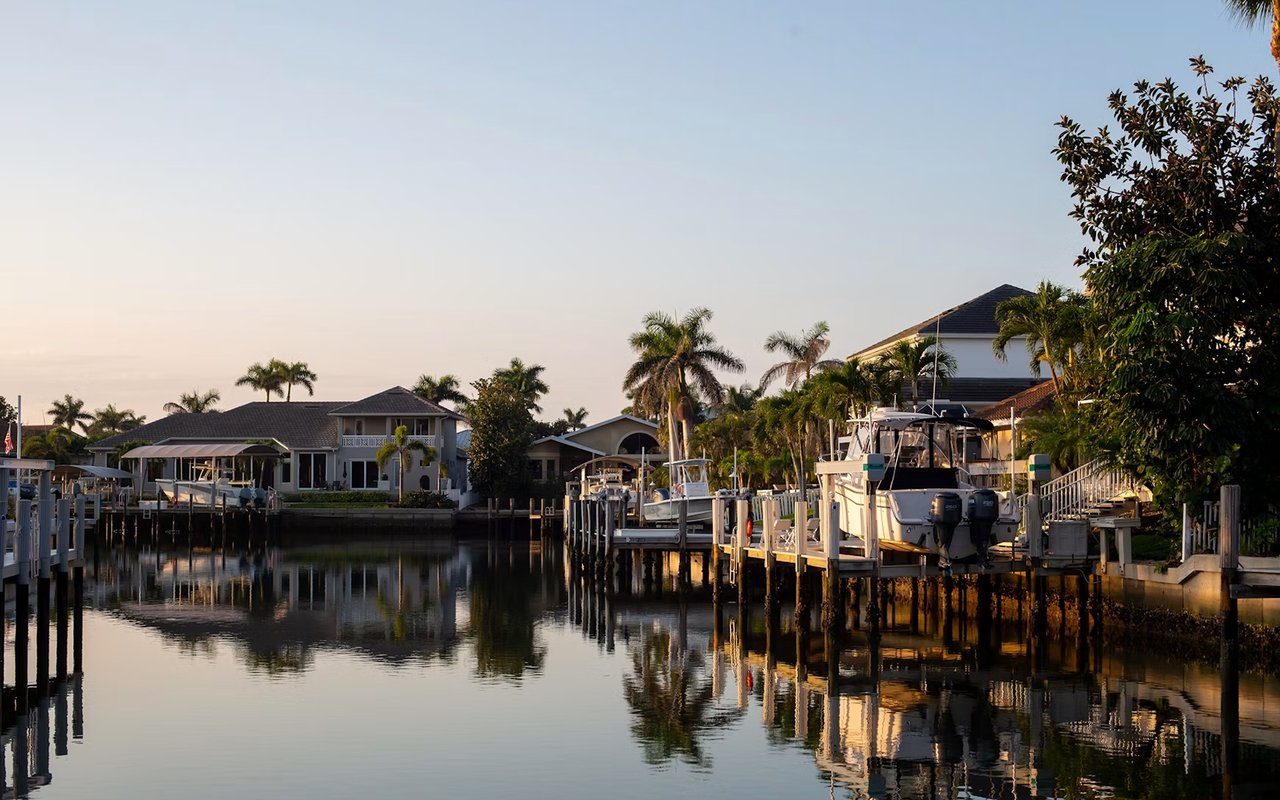
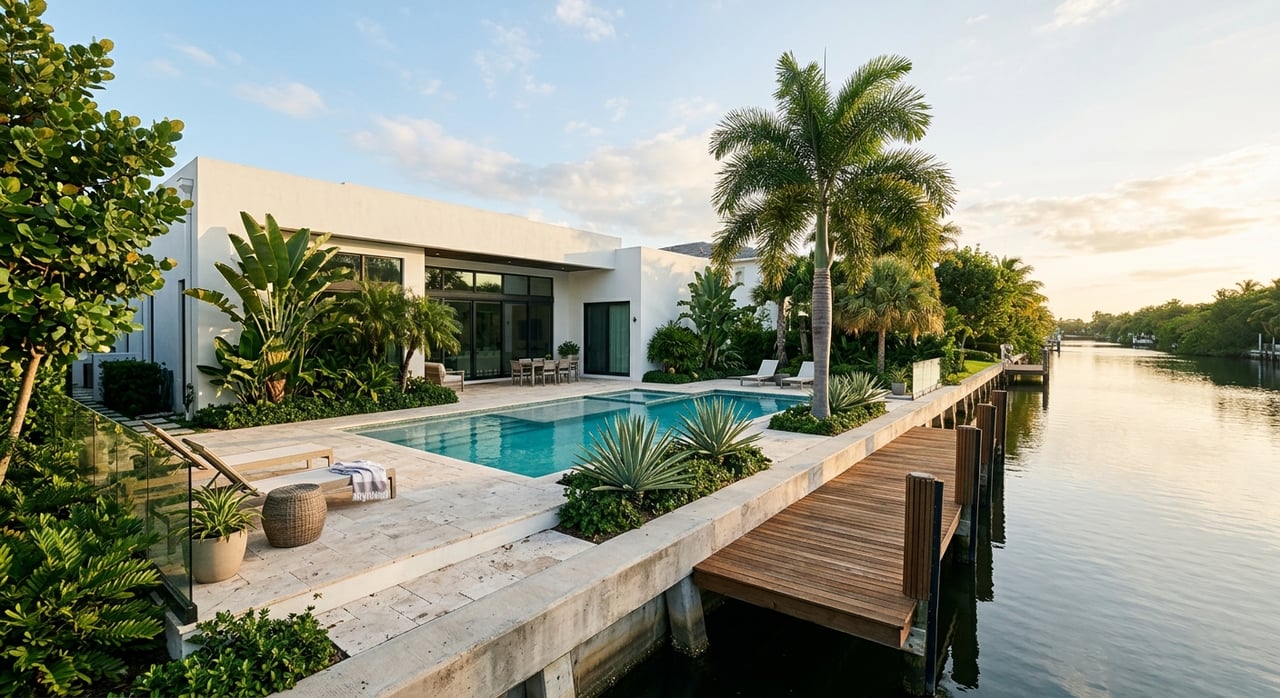
Canal-front homes often appeal to buyers who want a private dock setup and a more traditional single-family ownership experience. Here, the big questions are usually about dock feasibility, seawall condition, and how easily you can get from the canal to the Intracoastal or ocean.
A listing may look ideal on paper, but the boating experience can vary a lot from street to street. The route out matters just as much as the water behind the home.
Intracoastal-Facing Homes
Intracoastal-facing homes usually offer broader water views and more direct visibility to the main waterway. That can be a major lifestyle draw if you want dramatic scenery and a strong connection to Fort Lauderdale’s boating culture.
At the same time, these homes may sit closer to boat traffic and bridge corridors. If you love watching activity on the water, that may be a plus. If you want a quieter setting, it is something to weigh carefully.
Beach-Area Homes and Condos
Beach-area properties are often a different conversation entirely. Buyers tend to focus more on walkability, parking, amenities, and how much day-to-day oceanfront activity they want around them.
This can be a great fit if your ideal lifestyle is less about dockage and more about being close to the sand, dining, and public beach access. In these cases, convenience often matters just as much as the view.
Boating Access Is More Than Having a Dock
One of the biggest misconceptions in waterfront shopping is that any dock automatically means easy boating. In Fort Lauderdale, waterways include bridge crossings and regulated boating zones, so access is not always as simple as it looks in listing photos.
The city permanently adjusted weekday openings on the SE 17th Street Bridge in 2026 to reduce traffic while still accommodating marine traffic. It also approved a slow-speed, minimum-wake zone on the Intracoastal between the Oakland Park Boulevard Bridge and the Sunrise Boulevard Bridge, just west of Fort Lauderdale Beach.
If you are buying with a larger boat in mind, these details deserve attention early. A home’s boating appeal depends on more than canal frontage. It also depends on how practical the route is for your vessel and how much time and patience you want to spend navigating local conditions.
Beach Areas Offer Different Lifestyles
If you are looking beyond Coral Ridge itself, nearby beach communities can feel very different from one another. Choosing the right fit often comes down to the pace and setting you want.
Fort Lauderdale Beach
Fort Lauderdale Beach is the more active, amenity-rich option. The area includes a three-mile beachfront, a promenade, restaurants, hotels, and several public beach parks.
If you want energy, variety, and easy access to beach activities, this area may check a lot of boxes. It tends to feel more vertical and more centered on amenities and activity.
Lauderdale-by-the-Sea
Lauderdale-by-the-Sea offers a lower-rise coastal setting with mid-century style architecture and a public beachfront without massive skyscrapers. For many buyers, that creates a more relaxed and less building-intensive feel.
This is often appealing if you want beach access and coastal character without the busier atmosphere of a larger beachfront corridor. The lifestyle difference is noticeable.
Deerfield Beach
Deerfield Beach is another nearby option that draws attention for its Blue Wave beach and oceanfront dining. For buyers comparing several coastal pockets, it can offer a different balance of beach experience and daily convenience.
The key is not deciding which beach area is “best.” It is deciding which one matches how you actually want to live.
Home Styles Vary More Than You May Expect
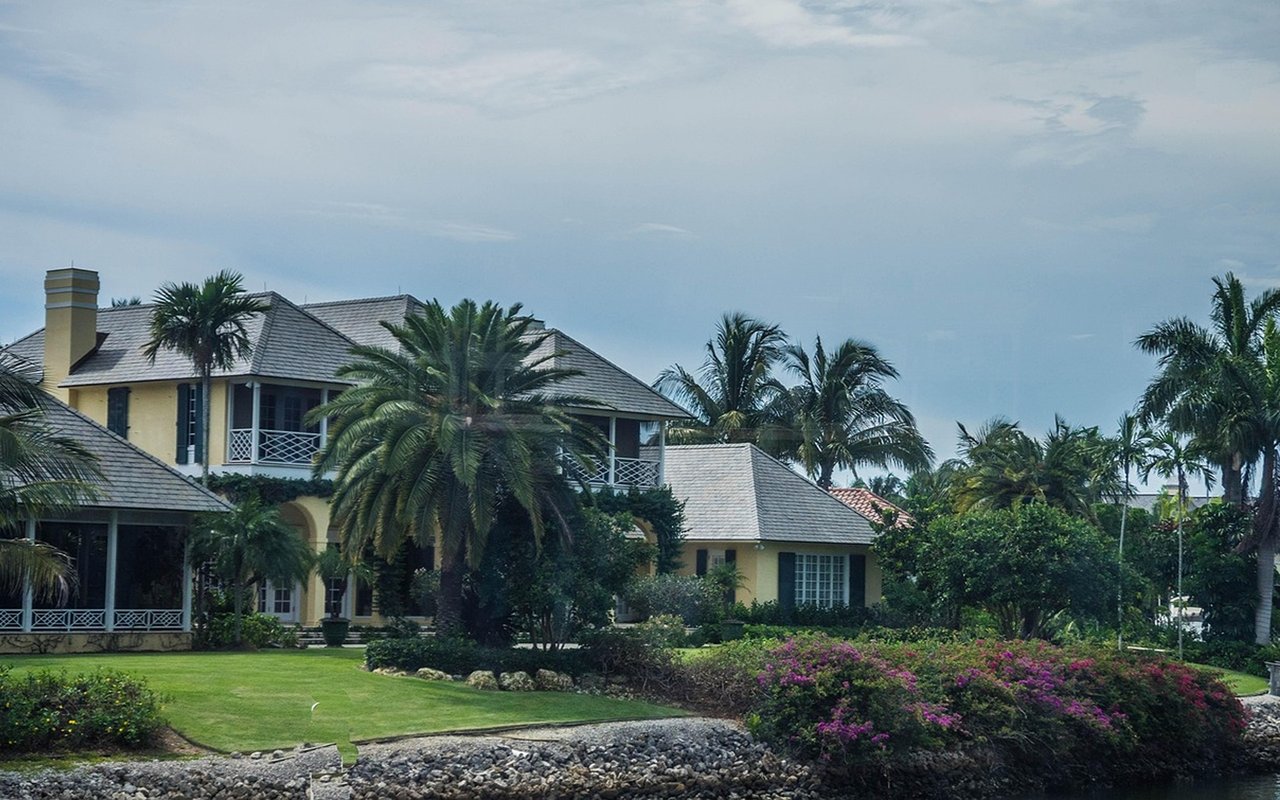
Coral Ridge has a varied housing stock, and that is one reason the neighborhood attracts a wide mix of buyers. You may see ranch-style homes, Mediterranean and Spanish Revival influences, larger estate-style Mediterranean homes, waterfront townhomes, and mid-century condo buildings.
That variety matters because you are not just choosing a location. You are also choosing an ownership experience.
A single-family waterfront home may offer privacy, dock potential, and more control over the property. A townhome may give you a lower-maintenance option while still keeping you close to the water. A condo can shift more upkeep to the building while offering shared amenities and a different lifestyle rhythm.
Near the beach, building form becomes even more important. Lauderdale-by-the-Sea leans low-rise, while Fort Lauderdale Beach is generally more vertical and amenity-driven. If you are relocating or shopping from afar, this is where good local guidance can save you time.
What to Check Before You Make an Offer
In this market, the best waterfront purchase decisions usually come from strong due diligence. A beautiful view matters, but long-term enjoyment and resale value often depend on practical property details.
Dock and Boatlift Potential
Fort Lauderdale’s permit categories include Boatlift-Dock-Seawall-Pile work, which shows how central these features are to waterfront ownership. If boating is part of your plan, you will want clarity on what is already in place and what may be possible in the future.
Even if you do not need a new dock right away, future flexibility can affect value. This is one of the first items worth reviewing.
Seawall Condition
Seawalls are a major issue in waterfront ownership, both for maintenance and for long-term resilience. Fort Lauderdale has a seawall master plan and updated its seawall ordinance to require regionally consistent construction standards.
City news also states that new or replacement seawalls must meet a minimum top elevation of 5 feet NAVD. If a home’s seawall is aging or incomplete, that can become a meaningful factor in your budget and negotiation strategy.
Flood Zone and Insurance
Flood risk is not something to push until the end of the process. The City of Fort Lauderdale says many residents live in or near a Special Flood Hazard Area, and standard homeowners insurance usually does not include flood coverage.
Broward County notes that current FEMA flood maps became effective on July 31, 2024, and that zones such as AE, AH, AO, and VE can trigger mandatory flood insurance requirements. For buyers, it makes sense to review the flood zone, elevation certificate, and likely insurance cost early rather than after inspections are already underway.
Storm and Backup Planning
The city’s permit categories also include Shutter and Generator work, which is a useful signal in this market. Buyers often look closely at hurricane hardening and backup power planning because those features affect comfort, readiness, and future resale conversations.
Even if a home looks beautifully updated, it is worth understanding how it performs beyond the finishes. On waterfront property, resilience features are part of the ownership story.
Daily Lifestyle Details Matter Too
If you are buying near the beach, your routine matters as much as the listing brochure. Fort Lauderdale residents can purchase a Residential Beach Parking Permit for discounted access to Fort Lauderdale Beach Park, North Beach meters, and the Las Olas Garage.
Fort Lauderdale Beach Park also offers restrooms, showers, picnic tables, a playground, volleyball, and a non-motorized boat ramp. If you plan to use the beach regularly, these practical details can shape how convenient your lifestyle really feels.
This is also why the “best” property is not always the one with the most dramatic feature sheet. Often, it is the one that fits your everyday habits with the fewest compromises.
How to Compare Coral Ridge and the Beaches
If you are narrowing your search, this simple framework can help:
- Choose Coral Ridge canal-front if you want a more residential setting, private dock potential, and a neighborhood feel close to the water.
- Choose Intracoastal-facing property if wide water views and strong visual connection to boating are high priorities.
- Choose Fort Lauderdale Beach if you want an active beachfront setting with more amenities and activity nearby.
- Choose Lauderdale-by-the-Sea if you prefer a lower-rise coastal atmosphere with a quieter feel.
- Choose Deerfield Beach if you want another nearby beach option with oceanfront dining and a distinct beach experience.
In every case, the exact street, property type, and water access details can matter just as much as the area name. That is especially true in Coral Ridge, where a Bayview-adjacent location may feel very different from a quieter interior canal block.
Why Local Guidance Helps in Waterfront Search
Waterfront buying in Fort Lauderdale is rarely a one-size-fits-all process. You are balancing lifestyle goals, boating realities, building type, maintenance tolerance, and property-specific due diligence all at once.
That is why a neighborhood-first approach matters. When you understand not just the listing, but also the street, water access, beach routine, and long-term upkeep factors, you can make a decision with more confidence.
If you are exploring waterfront homes in Coral Ridge, Fort Lauderdale Beach, Lauderdale-by-the-Sea, or nearby coastal neighborhoods, The We Can Help Network can help you compare options, narrow the right fit, and move forward with clear local insight.
FAQs
What should you check first when buying a waterfront home in Coral Ridge?
- Start with water access, seawall condition, flood zone, and whether the dock or boat setup fits your needs.
How are canal-front homes in Coral Ridge different from Intracoastal homes?
- Canal-front homes are often evaluated for dock feasibility and route to open water, while Intracoastal homes usually stand out for wider views and more direct water visibility.
What makes Fort Lauderdale Beach different from Lauderdale-by-the-Sea?
- Fort Lauderdale Beach is more active and amenity-heavy, while Lauderdale-by-the-Sea is known for a lower-rise setting and a quieter beachfront feel.
Why does flood zone matter for waterfront homes in Broward County?
- Flood zone can affect insurance requirements and costs, and Broward County notes that some zones such as AE, AH, AO, and VE may trigger mandatory flood insurance requirements.
Is a waterfront home in Coral Ridge always good for boating?
- Not always. Boating convenience can depend on canal route, bridge crossings, local wake rules, and the specific vessel you plan to use.