Trying to choose between a condo and a single-family home in Fort Lauderdale? In this market, the answer is not just about price. It is also about how you want to live, how much maintenance you want to manage, and which part of the city fits your day-to-day routine. If you are weighing both options, this guide will help you compare lifestyle, costs, ownership structure, and local factors that matter most in Fort Lauderdale. Let’s dive in.
Why this choice feels different in Fort Lauderdale
Fort Lauderdale is not a one-size-fits-all housing market. The city combines beach living, downtown density, canals, and established residential neighborhoods, so your choice between a condo and a house often depends on the setting you want as much as the property itself.
The city describes Fort Lauderdale through its inland waterways, river-centered downtown, and coastal identity. That means a condo near Central Beach offers a very different experience from a house in an east-side neighborhood near the Intracoastal or New River. In other words, you are choosing a lifestyle pattern, not just a floor plan.
Beach access is also more nuanced than many buyers expect. Fort Lauderdale Beach is a public beach with city rules around beach use and watercraft staging, so being close to the coast is often about walkability, parking, and convenience rather than private ownership of beach space.
Condo ownership vs house ownership
How condo ownership works
In Florida, condo ownership includes your unit plus a shared interest in the common elements of the property. Those shared elements can include things like the roof, exterior areas, hallways, elevators, amenities, and other parts of the building that the association maintains.
That is why condo fees are such a big part of the monthly picture. Those dues typically support operation, maintenance, repair, replacement, or protection of shared elements, along with other building-level costs.
How single-family ownership works
A single-family home usually gives you more direct control over the property. You typically handle your own roof, exterior upkeep, landscaping, drainage concerns, and repairs unless the home is in a governed community with its own association rules and fees.
Some Fort Lauderdale area single-family communities also have mandatory HOA or amenity fees. Under Florida law, those obligations can still matter in a major way, so it is important not to assume that every house comes without association oversight.
What this means for you
If you want more predictability in exterior maintenance, a condo may feel simpler on the surface. If you want more control over repair timing, renovation choices, and how you use your space, a single-family home may fit better.
The tradeoff is straightforward. Condos often shift more responsibility to the association, while houses shift more responsibility to you.
Fort Lauderdale due diligence matters
Condo checks to make before you buy
In Fort Lauderdale, condo due diligence deserves extra attention. Florida law requires milestone inspections for certain residential condominium buildings that are three habitable stories or higher, and some associations must complete structural integrity reserve studies.
That means condo buyers should carefully review:
- The current association budget
- Reserve study information
- Milestone inspection reports, if applicable
- Building insurance information
- Any history of special assessments
These documents can tell you a lot about the building’s condition, financial planning, and possible future costs.
House checks to make before you buy
For single-family homes, the local checklist looks different. Broward County and the City of Fort Lauderdale direct property owners to parcel-level flood maps and flood-risk tools, so flood zone review should be part of your decision either way.
For houses, key items include:
- Flood zone and elevation
- Drainage conditions
- Roof and exterior condition
- HOA or POA documents, if applicable
In a coastal and water-oriented city like Fort Lauderdale, flood risk and insurance review are not optional side notes. They are part of smart buying.
Lifestyle differences you will feel every day
Maintenance and lock-and-leave ease
If you travel often, split your time between homes, or simply want less exterior upkeep, a condo can be appealing. Many buyers like the lock-and-leave convenience and the fact that the association handles much of the shared-property maintenance.
A house usually asks more of you. You have more independence, but you also carry more direct responsibility for the property’s upkeep over time.
Privacy and outdoor space
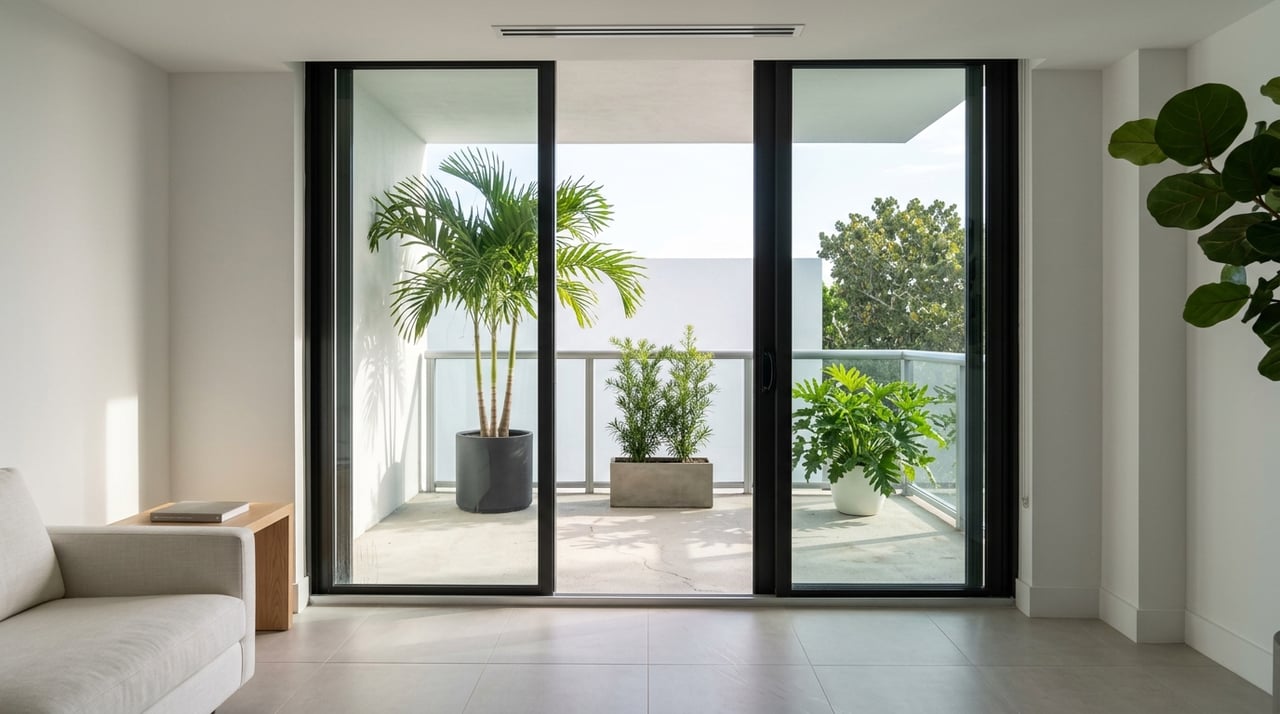
This is one of the clearest differences. A detached home usually gives you more privacy and more private outdoor space, while a condo often means shared entries, elevators, amenity areas, and closer proximity to neighbors.
That difference can feel especially important depending on where you buy. Downtown, Riverwalk, Las Olas, Flagler Village, and Central Beach tend to support a more urban, shared-space lifestyle, while neighborhoods with more house-oriented blocks often provide a quieter, more private residential feel.
Parking and guests
Parking is a real Fort Lauderdale issue, especially in close-in east-side areas. The city has residential parking permit districts and makes clear that a permit does not guarantee an available space.
That matters whether you are looking at a condo with limited guest parking or a house in a neighborhood with active street-parking management. If parking flexibility matters to you, it should be part of the home search conversation early.
Waterfront and beach lifestyle
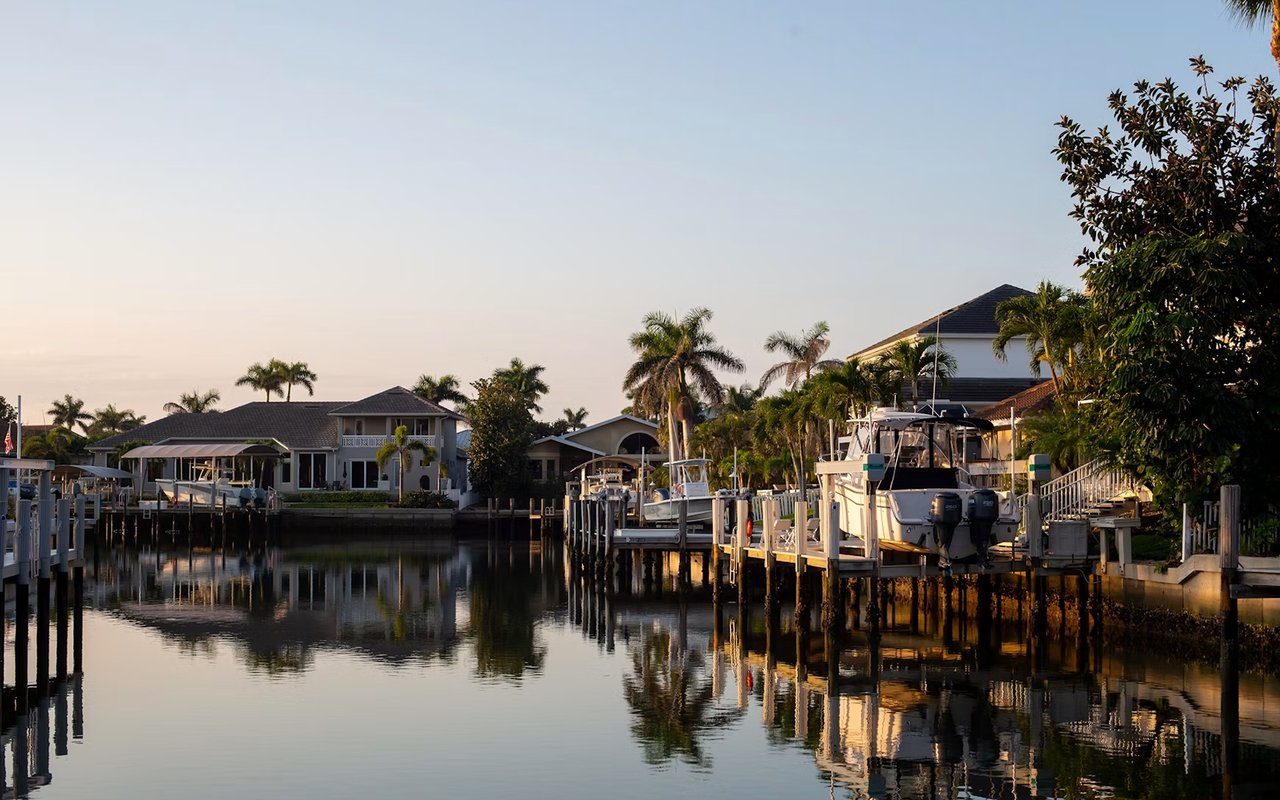
Fort Lauderdale gives you several ways to live near the water. A beach condo can put you close to the ocean and urban coastal activity, while a canal-side or Intracoastal-area home may offer a different kind of water-oriented lifestyle with more private outdoor control.
For example, Rio Vista is a well-known east-side residential area bounded by the Intracoastal Waterway and the New River, with convenient access toward the beach. That makes it a useful example of how a single-family neighborhood can still support a strong coastal lifestyle without being in a condo setting.
Budget differences in Fort Lauderdale
Why property type can shift your budget fast
One of the biggest surprises for buyers is how sharply pricing can change between condos and single-family homes in the same broader area. In Fort Lauderdale, the gap can be significant.
Miami Realtors Q1 2026 local market metrics show that in ZIP code 33305, the median sale price was $1,282,100 for single-family homes versus $487,000 for condos and townhomes. In 33308, the median sale price was $932,500 for single-family homes versus $405,000 for condos and townhomes.
Those examples show why this choice often starts with budget but should not end there. A lower purchase price for a condo may come with monthly dues and possible assessment exposure, while a higher-priced house may bring more upkeep and different insurance considerations.
Compare monthly carrying costs carefully
Instead of asking only which option is cheaper, ask which option fits your full monthly budget more comfortably. A true comparison should include:
- Mortgage payment
- Property taxes
- Association dues, if any
- Insurance costs
- Expected maintenance and repair costs
That full picture matters more than the list price alone. In Fort Lauderdale, especially near the coast or waterways, insurance and flood-related considerations can change the math quickly.
Which neighborhoods often fit each choice
Condo-friendly Fort Lauderdale areas
If you want walkability, shared amenities, and easier access to dining, entertainment, and urban activity, condo living often lines up well with areas such as:
- Downtown New River
- Las Olas
- Riverwalk
- Flagler Village
- Central Beach
City planning documents describe these areas as places where housing mixes with shopping, offices, entertainment, transportation, boating, and public space. That pattern naturally supports buyers looking for convenience and an active setting.
Fort Lauderdale Condos for Sale
House-oriented Fort Lauderdale areas
If you want a more traditional residential layout, more private outdoor space, and a different pace, house-oriented neighborhoods may be a better match. Examples from city materials include Rio Vista and Victoria Park.
Victoria Park is described by the city as primarily residential with commercial edges, and it includes older homes, newer larger single-family homes, and some multifamily buildings. That kind of mix can appeal to buyers who want neighborhood character with proximity to central Fort Lauderdale.
How to decide what fits you best
A condo may be a better fit if you want
- Less exterior maintenance
- A lock-and-leave lifestyle
- A lower entry price in some submarkets
- Shared amenities and urban convenience
- A home near the beach, downtown, or active mixed-use areas
A single-family home may be a better fit if you want
- More privacy
- More control over the property
- More private outdoor space
- Greater flexibility for day-to-day living
- A residential neighborhood setting near the water or central Fort Lauderdale
The best choice is about lifestyle fit
In Fort Lauderdale, there is no universal winner between a condo and a single-family home. The better option depends on how you want to spend your time, how much responsibility you want to carry, and which part of the city feels most like home.
That is where local guidance really helps. When you compare buildings, neighborhoods, flood considerations, parking realities, and budget side by side, the right choice becomes much clearer.
Whether you are relocating, buying a second home, or making a move within Broward, The We Can Help Network can help you match the right property type with the right Fort Lauderdale lifestyle.
FAQs
What is the main difference between buying a condo or single-family home in Fort Lauderdale?
- The biggest difference is how ownership, maintenance, and lifestyle come together. A condo usually includes shared building responsibilities and monthly dues, while a single-family home usually gives you more control but more direct upkeep.
What condo documents should buyers review in Fort Lauderdale?
- Buyers should review the association budget, reserve study information, milestone inspection reports if applicable, insurance information, and any history of special assessments.
What should house buyers check before buying in Fort Lauderdale?
- House buyers should review flood zone, elevation, drainage, roof and exterior condition, and any HOA or POA documents if the home is in a governed community.
Are condos usually less expensive than houses in Fort Lauderdale?
- In many Fort Lauderdale submarkets, condos and townhomes have lower median sale prices than single-family homes, but the total monthly cost can change once you factor in dues, insurance, taxes, and maintenance.
Which Fort Lauderdale areas are popular for condo living?
- Areas such as Downtown New River, Las Olas, Riverwalk, Flagler Village, and Central Beach often appeal to buyers looking for walkability, amenities, and a more urban lifestyle.
Which Fort Lauderdale neighborhoods often suit single-family buyers?
- Neighborhood examples in city materials include Rio Vista and Victoria Park, where buyers may find a more residential setting with close access to central Fort Lauderdale and the water.
Recommended reading: Relocating to Fort Lauderdale: What High-End Buyers Need to Know First