By We Can Help Network
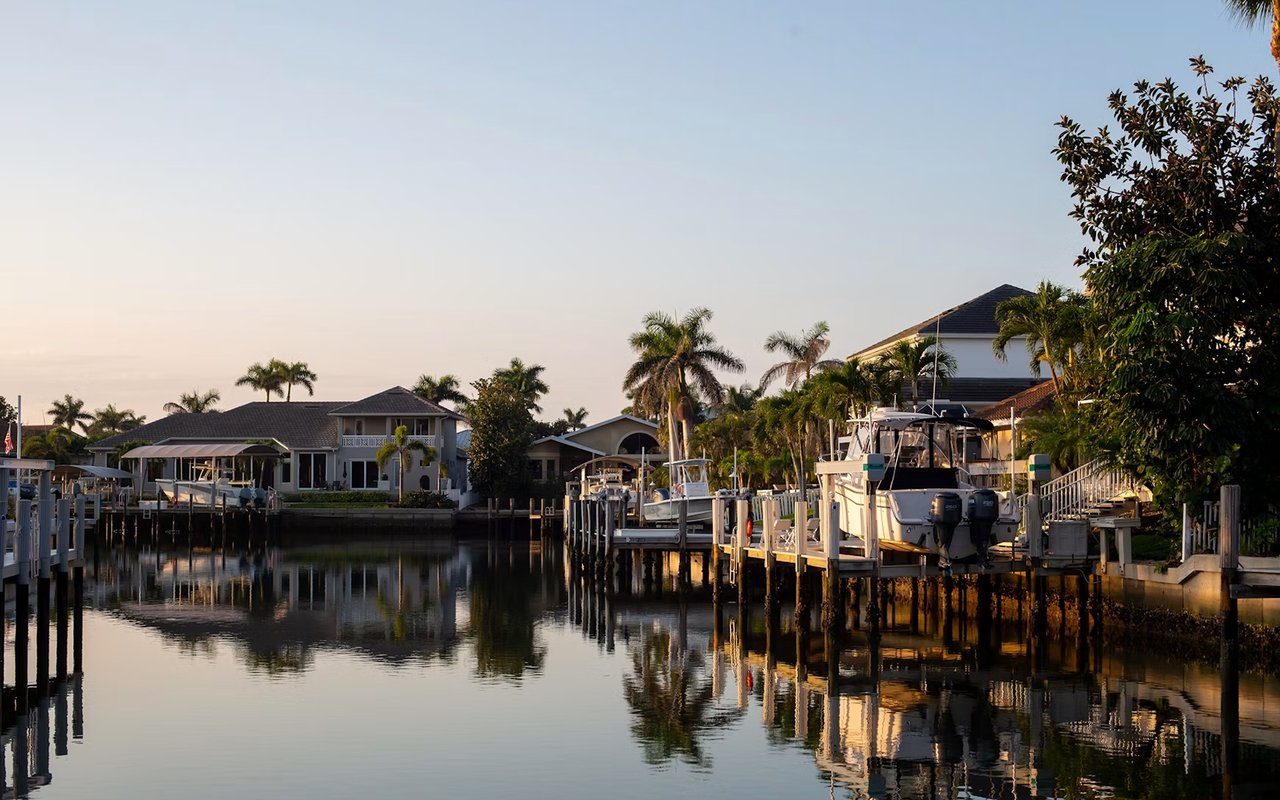
Fort Lauderdale earned its name as the Venice of America, threaded by roughly 300 miles of canals that carry residents straight from their backyards to the Atlantic. A home here often comes with a dock, a lift, and a set of questions that inland properties never raise.
At We Can Help Network, we walk clients through the details that separate a great waterfront property from a costly surprise.
Key Takeaways
- Ocean access: Bridges and clearance shape your boating.
- Dockage: Length and depth limit vessel size.
- Seawall: Condition affects stability and cost.
- Permits: Local rules govern docks and lifts.
Ocean Access and Bridge Clearance
Ocean access defines much of a waterfront home's value along the New River and the finger isles. A route with no fixed bridges lets larger vessels reach the Atlantic through Port Everglades without height limits, while a fixed bridge caps the size of boat that can pass.
What to Ask About Access
- Fixed bridges: Structures that limit vessel height.
- Ocean route: The path to Port Everglades and the sea.
- Draft limits: The depth a channel allows.
A clear read on the route shapes what kind of vessel fits the property. Access of this kind ranks among the first things to confirm on a Las Olas or Rio Vista canal.
Know Your Dockage and Water Depth
Dock length and water depth decide which boats a property can actually hold. A shallow canal or a short seawall may rule out the vessel you have in mind, even on a beautiful lot in Coral Ridge or Seven Isles.
Dockage Details to Verify
- Dock length: The linear footage along the seawall.
- Water depth: Low-tide clearance at the dock.
- Turning basin: Room to maneuver in the canal.
A survey of depth and dockage prevents a mismatch between home and boat. Measurements taken at low tide give the most honest picture of what fits.
Inspect the Seawall Before You Commit
The seawall holds back the water and protects the land behind it, which makes its condition central to any waterfront purchase. A failing cap or leaning panel can bring repair costs that rival the price of a new dock across South Florida.
Seawall Points to Review
- Cap condition: The concrete edge along the top.
- Panel integrity: Signs of cracking or lean.
- Tie-back system: The anchoring behind the wall.
A professional inspection reveals problems that a casual look can miss. Attention to the seawall protects both the property and your budget.
Choose the Right Boat Lift
A boat lift keeps a vessel out of the water, guarding the hull from growth and corrosion in the warm Intracoastal. Lift capacity, piling condition, and motor type all determine whether the system suits the boat you plan to keep.
Lift Features That Matter
- Weight capacity: The load the lift can raise.
- Piling condition: The strength of the support posts.
- Motor type: Direct-drive or belt-driven systems.
A lift matched to the vessel extends the life of both boat and equipment. Regular service keeps the system dependable through the salt-air seasons.
Navigate Permits and Local Regulations
Docks, lifts, and seawalls in Fort Lauderdale fall under city, county, and state oversight. Permits from the city, Broward County, and Florida agencies govern new construction and major repairs along the water.
Approvals to Understand
- City permits: Local approval for dock work.
- County review: Broward oversight of the waterways.
- State rules: Florida environmental requirements.
A clear grasp of the approval process prevents delays and fines. Existing permits on file also confirm that current structures were built to code.
Match the Waterway to Your Lifestyle
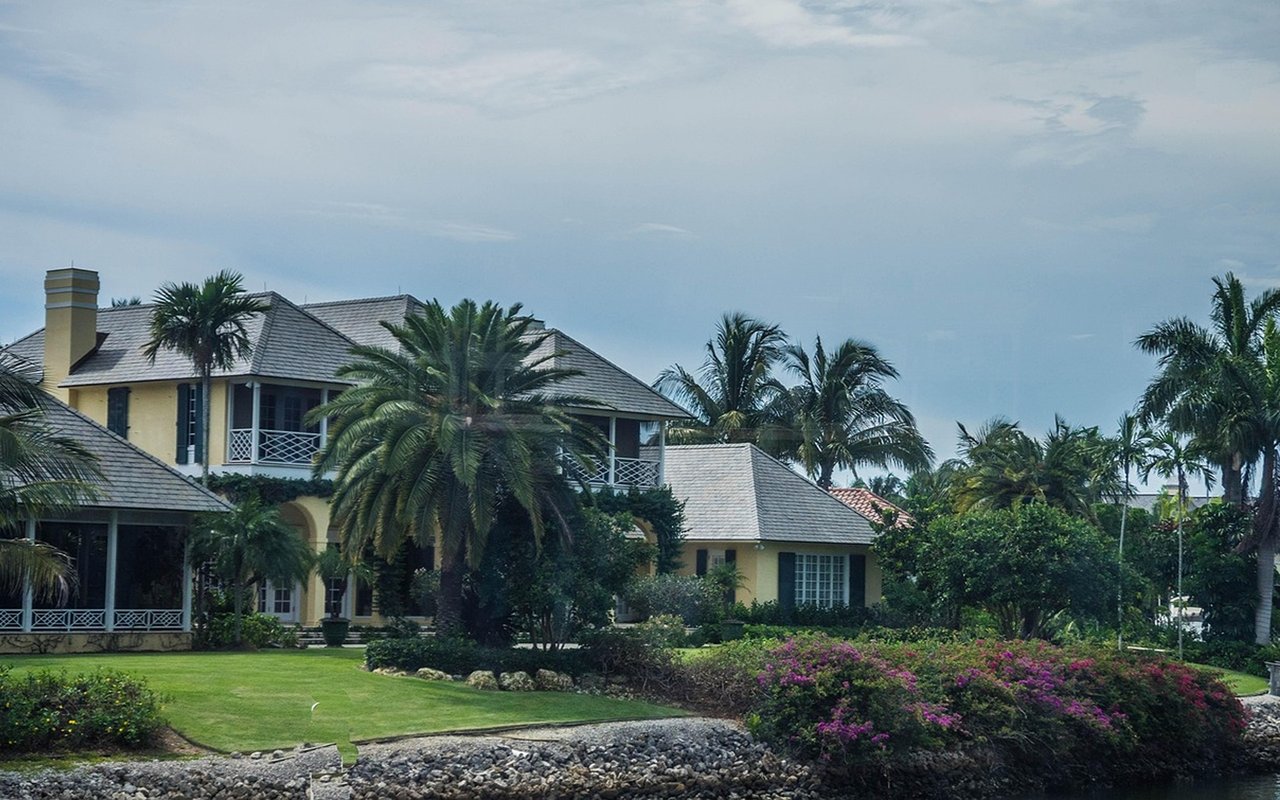
The right canal depends on how you plan to use the water, from quick ocean runs to quiet paddle mornings. The appeal of waterfront living docks Fort Lauderdale delivers ranges from the yacht-lined isles off Las Olas to the calmer reaches near the Middle River.
Lifestyle Factors to Weigh
- Boating style: Ocean cruising or calm-water use.
- Neighborhood feel: Busy isles or quiet canals.
- Commute needs: Proximity to downtown and the beach.
A canal that fits your routine turns a home into a daily retreat. The right match balances access, privacy, and pace across the city's waterways.
FAQs
What does "ocean access, no fixed bridges" mean?
The phrase means a boat can reach the Atlantic without passing under a fixed, low bridge that limits height. Homes with that access command a premium, since they suit larger vessels and sailboats with tall masts.
How deep does the water need to be at my dock?
Depth depends on your boat's draft, and many owners look for several feet of clearance at low tide. We recommend a depth survey so the number reflects real conditions rather than an estimate.
How much does a seawall replacement cost in Fort Lauderdale?
Costs vary with length, height, and construction, so a marine contractor's estimate gives the most reliable figure. We connect clients with inspectors early, since the seawall often shapes the final numbers.
Do I need a permit to add or replace a boat lift?
Yes, since lifts and dock work require approvals from the city and often the county and state. Verified permits on existing structures also protect you from future compliance issues.
What size boat can I keep behind my home?
Vessel size depends on dock length, water depth, canal width, and any bridges along the route to the ocean. We help buyers weigh all four before committing to a specific property.
Which Fort Lauderdale neighborhoods are best for boaters?
Las Olas Isles, Rio Vista, Harbor Beach, and Seven Isles all rank high for deepwater access and dockage. The best fit depends on your boat, your budget, and how close you want to be to downtown or the beach.
Reach Out to We Can Help Network Today
A waterfront home in Fort Lauderdale offers something rare: the ocean at the end of your backyard and a boat ready at the dock. The difference between a dream purchase and an expensive lesson often comes down to the details beneath the waterline, and that is where we focus.
Reach out to We Can Help Network when you are ready to explore canal-front living from Las Olas to Coral Ridge.
Reach out to We Can Help Network when you are ready to explore canal-front living from Las Olas to Coral Ridge.